
Just a Minute!

Take a Quick Listen

Click on the link in the gray box to the right and listen to Michael in a minute (or so!) explain why the history of southern music matters, especially today.

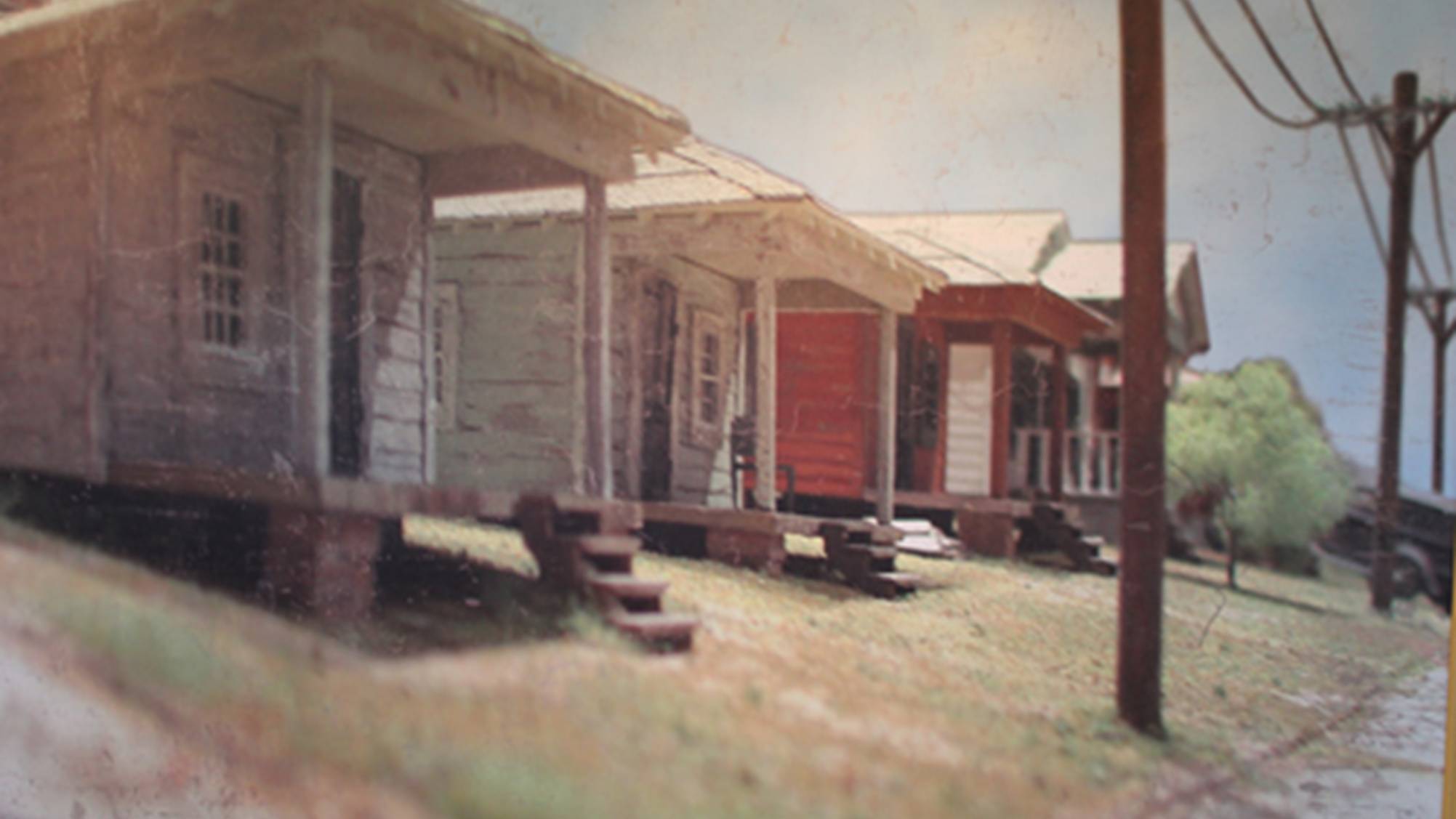
"MUDSILLS"

mudsills

Old Satillo Road East Tupelo, Mississippi,  1935


For further elaboration on the relationship between music and southern history, see my article recently published in Study the South. Click on the green title banner at top of article description for access to the article:  


A New Study the South Essay

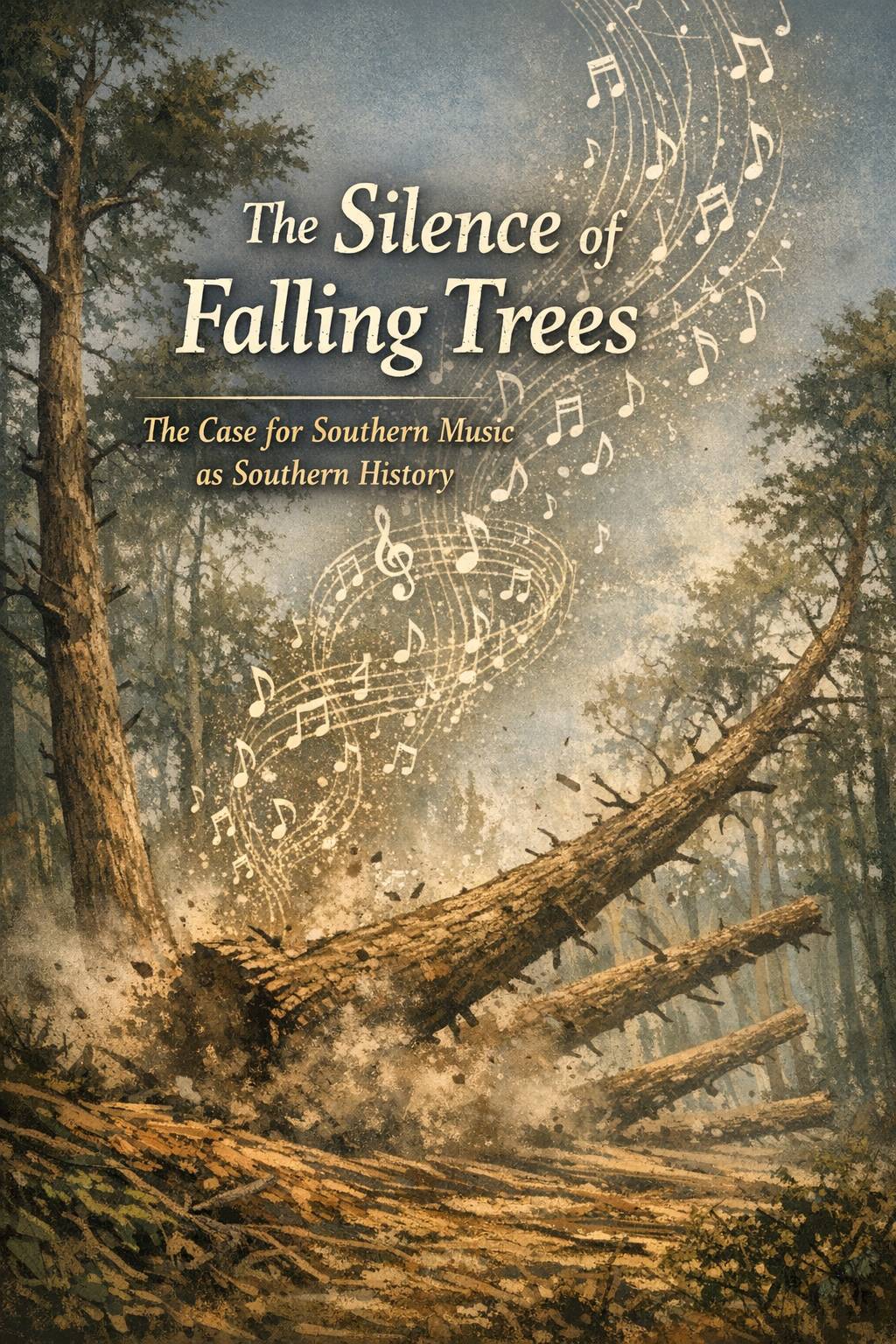
In “The Silence of Falling Trees: The Case for Southern Music as Southern History,” Michael T. Bertrand examines the persistent marginalization of popular music within the historiography of the American South, arguing for its centrality as a lens through which to understand the region’s past. Anchored by emblematic moments ranging from mid-twentieth-century segregationist backlash against rock ’n’ roll to the cultural assertion of southern hip-hop, Bertrand situates popular music within the broader social, political, and economic transformations that have shaped southern life.

Through close analysis of historical episodes, scholarly trends, and cultural events—including the 1956 attack on Nat “King” Cole and the rise of rhythm and blues—Bertrand contends that historians have systematically relegated music to the periphery, treating it as cultural artifact rather than historical force. He argues that this omission reflects disciplinary biases that privilege elite actors and formal politics while overlooking the expressive practices of working-class communities. In contrast, popular music emerges in his account as a dynamic site of agency, where marginalized Black and white southerners articulate identity, resist hierarchy, and shape public consciousness.

Ultimately, Bertrand positions southern music as an essential historical archive—one that captures the “structure of feeling” of the region and reveals the lived experiences of those often excluded from traditional narratives. By integrating music into the core of historical analysis, the essay calls for a reimagining of southern history that recognizes sound, performance, and audience as fundamental to understanding power, resistance, and change.

silence of falling trees


dr. b

Why Southern Music Matters


dr b