

Animal Physiology Lab
Genetic Decision-Making for Enhanced Herd Outcomes
The Animal Physiology Laboratory, part of the TSU Institute of Food, Agricultural, and Environmental Research, has been involved in ruminant animal research since 1995. Up to 2002, research concentrated on tall fescue endophyte toxicosis in beef cattle with a particular interest in the use of heat-tolerant breed genetics. A transition began in 2001 that lead to the emergence of meat goat production as the research focus.
The meat goat research focus has been on genetic evaluation for fitness and performance in the southeastern US as the general theme of this TSU small ruminant effort. The research herd is comprised of approximately 200 breeding does and herd sires representing diverse sets of Boer, Kiko, Spanish, Myotonic, and Savanna genetics; all part of the meat goat genetic evaluation and outreach program.
In the summer of 2015, the lab returned to cattle production. A herd of Dexter cattle was started with 23 cows and 2 bulls to complement the meat goat herd. The Dexter cattle will be used to assess the potential of small-breed cattle for small-scale beef production. The herd has since expanded to nearly 90 cows and herd sires. Mashona bulls were added in 2019 to crossbreed with the Dexter cows to expand the small-breed cattle program.
Contact me for more information.
WHICH BUCK IS BEST ??
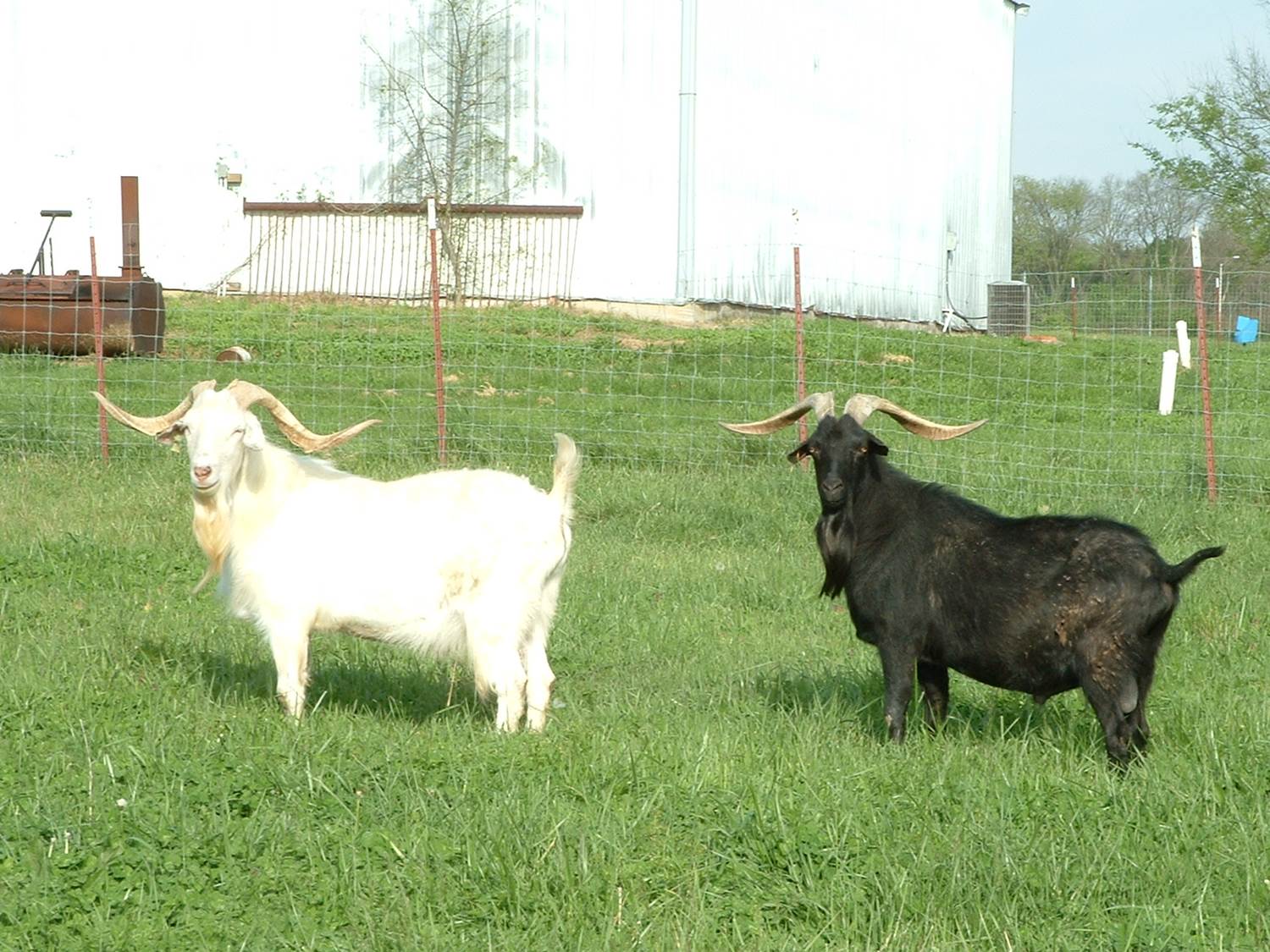
Looks alone may not answer the question. The availability and use of solid performance data will go a long way in making good sire selection decisions when trying to enhance herd performance traits such as kid growth or doe fitness. This is true whether choosing among a pen of young sire prospects or perhaps purchasing semen from a selection of bucks in an artificial insemination catalog.
WHICH BULL IS BEST ??
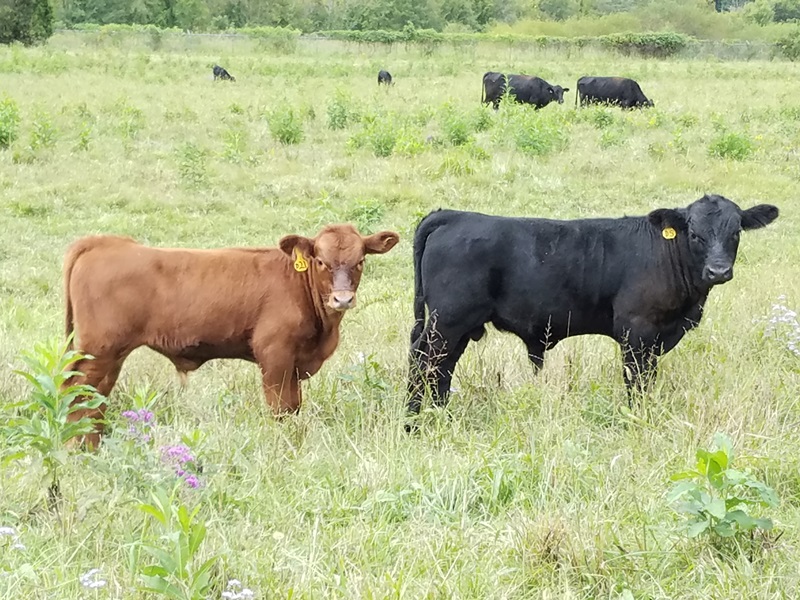
The same may be asked for selecting bulls in populations where meaningful performance data are not recorded. Whether evaluations are among young herd sire prospects in a calf crop or among AI sires in a semen catalog, meeting herd or breed objectives would be greatly advanced through objective data collection. This is often a missing component of genetic management in alternative, heritage cattle breeds such as Dexter.
webpage contact:
Richard Browning