

Business Information Systems
The Department of Business Information Systems prepares students to bridge the gap between technology and business through innovative, hands-on learning. With concentrations in Business Data Analytics, Information Systems, and e-Business Technology, students gain the knowledge and skills needed to leverage technology, solve complex business challenges, and pursue rewarding careers in today’s digital economy.

Developing ITBusiness Professionals
The Department of Business Information Systems (BIS) prepares students to integrate technology with business processes and pursue careers in information technology and business management. Students develop the skills and knowledge needed to become effective users, developers, and managers of information systems while learning how technology can provide innovative business solutions. By combining a strong foundation in business with expertise in information systems and technology, the BIS program equips students to help organizations compete in today’s digital economy. Students may choose from three concentration areas: Business Data Analytics, Information Systems, and e-Business Technology.
Users
Learn to leverage information systems and technology to support decision-making, improve efficiency, and drive organizational success.
Developers
Gain the technical knowledge needed to design, implement, and enhance information systems that address real-world business challenges.
Managers
Develop the leadership and strategic skills required to oversee technology resources and align information systems with organizational goals.
Endless Possibilities
A degree in Business Information Systems opens the door to a wide range of careers that combine business strategy with technology. Graduates are equipped with the knowledge and skills needed to help organizations solve problems, improve operations, and compete in an increasingly digital world.

Bridging Business and Technology
Business Information Systems professionals understand both people and technology. They translate organizational needs into technology solutions and leverage information systems to create new business capabilities and drive innovation.
Diverse Career Opportunities
BIS graduates pursue careers in management, information systems, and consulting across a variety of industries. With demand for technology-savvy professionals continuing to grow, students are prepared for rewarding careers with organizations of all sizes and sectors.
Concentrations
We understand as a student you may have interests that take a more narrow focus deep into the Economics and Finance discipline. To complement a curriculum that provides a strong core structure we also offer concentrations in Economics and Finance listed below.
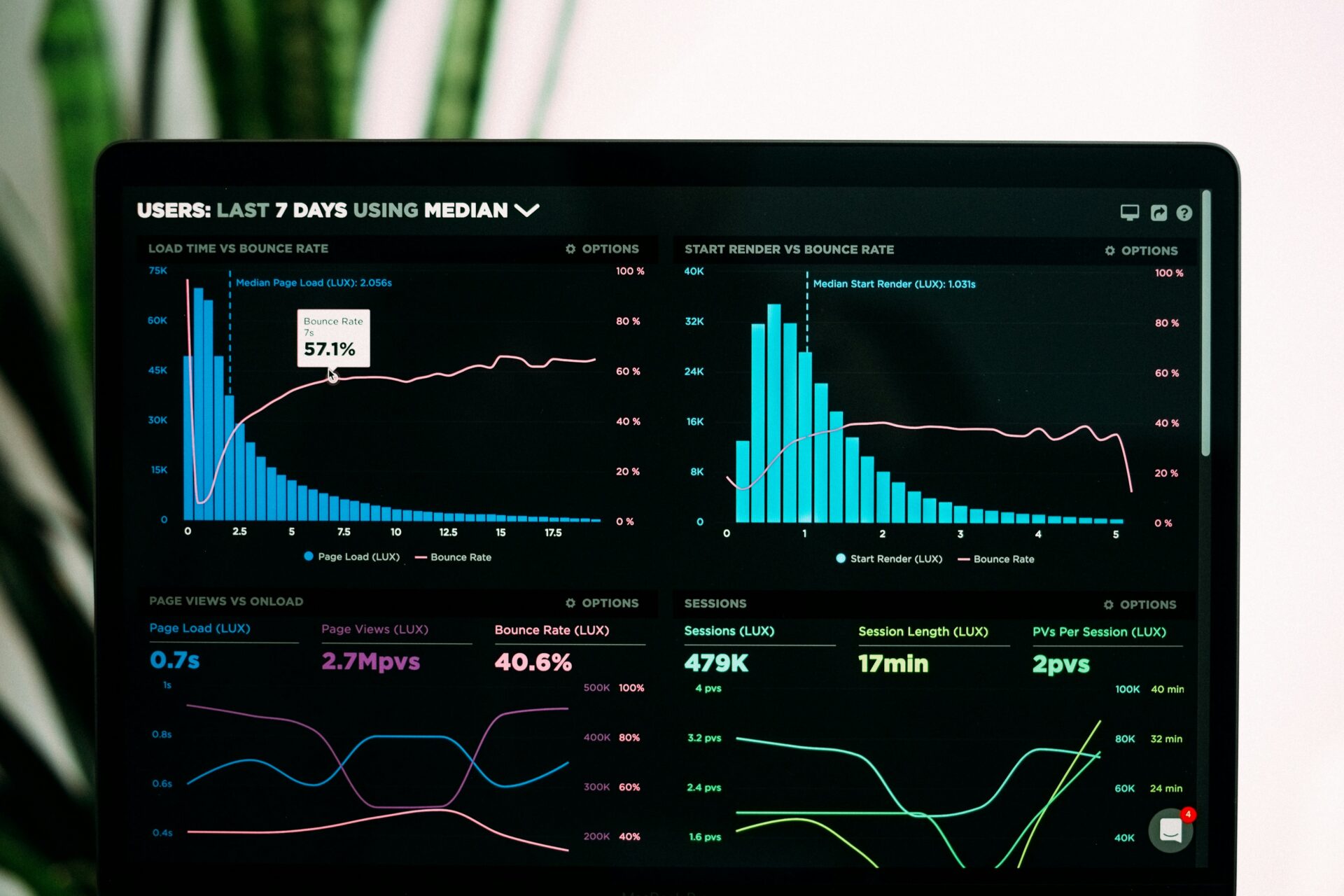
Business Data Analytics
The Business Data Analytics concentration prepares students to work with Big Data and business analytics. Students gain hands-on experience in data preparation, storage, modeling, and analysis using both supervised and unsupervised techniques.

e-Business Technology
The e-Business Technology concentration combines business fundamentals with advanced technology skills to prepare students for careers in e-Commerce and digital business. Students learn to develop web-based solutions and understand the strategic and operational aspects of modern e-Business.

Information Systems
The Information Systems concentration prepares students for careers in information technology and systems management. Students learn to design and manage systems that support business operations, secure communications, and help organizations leverage technology for competitive advantage.
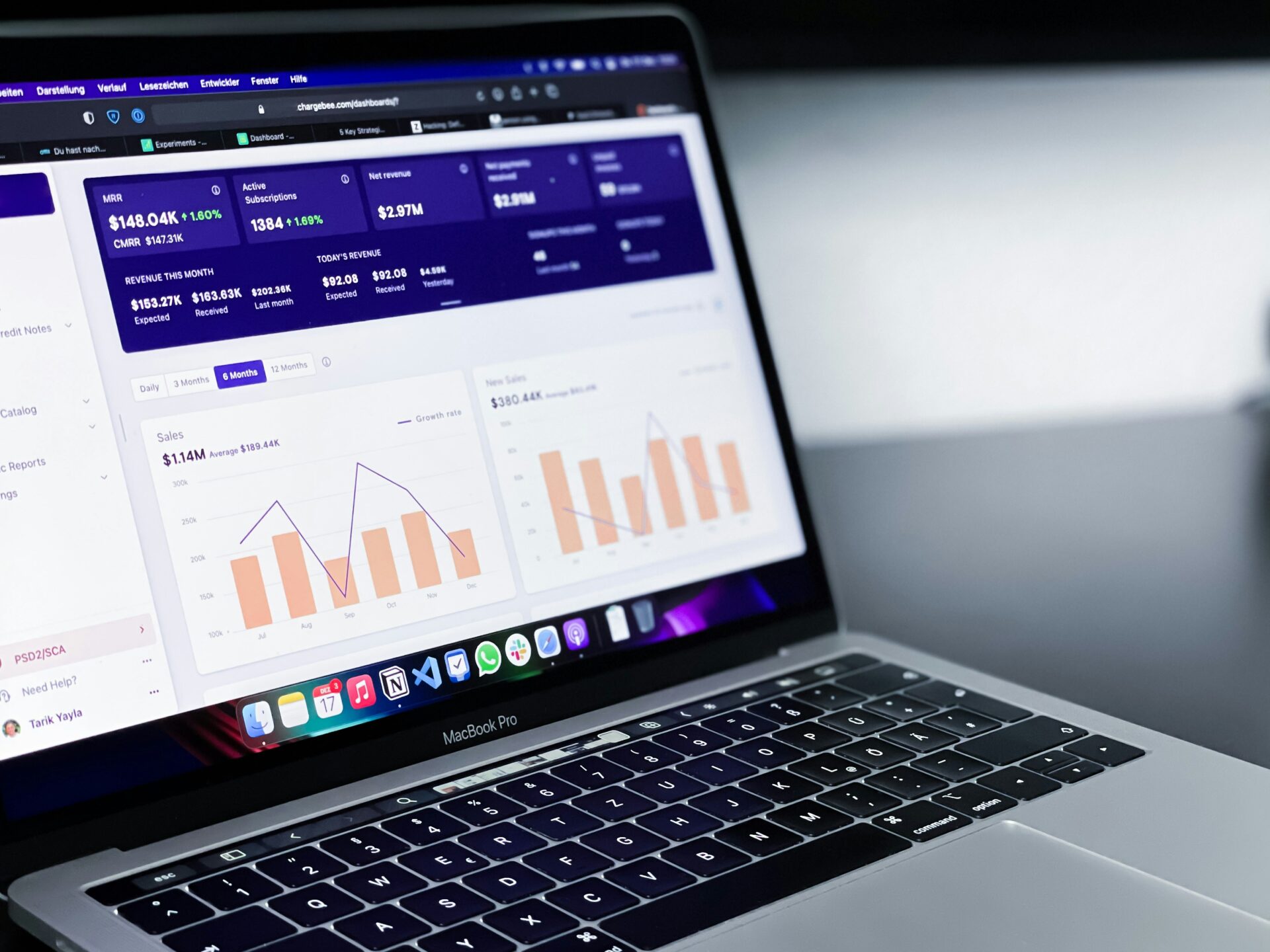


Master of Science in Business Data Analytics
The Master of Science in Business Data Analytics (MSBDA) at Tennessee State University provides comprehensive training in one of today’s fastest-growing fields. Designed for aspiring business analysts, data scientists, and information systems professionals, the fully online program equips students with advanced skills in descriptive, predictive, and prescriptive analytics, data mining, and visual storytelling.
The program prepares graduates to become Business Data Analytics Specialists capable of transforming complex data into meaningful insights and supporting data-driven decision-making across a wide range of industries.
MSBDACareer Pathways
Ready to Apply?
Take the next step toward your graduate studies in Business Data Analytics. This program is designed to equip you with advanced analytical skills, real-world problem-solving abilities, and the technical expertise needed to succeed in today’s data-driven industries.